
A weekend of trimming can leave more behind than a cleaner yard. Palm fronds, branches, hedge clippings, old mulch, storm-fallen limbs, and broken outdoor materials can quickly turn into a pile that blocks parking, attracts pests, or makes a property look unfinished. Knowing how to remove yard debris comes down to sorting the material, working safely, and choosing a disposal method that matches the size of the job.
For Jacksonville homeowners, renters, property managers, and small businesses, the best option is not always the same. A few bags of leaves are one thing. A post-storm pile of heavy limbs and a damaged fence is another.
Start by Separating the Yard Debris
Before loading a truck or setting anything at the curb, take a few minutes to divide the pile by material. This keeps usable items out of the trash, makes pickup easier, and helps prevent problems with local collection rules.
Green waste includes leaves, grass clippings, weeds, shrubs, small branches, and palm fronds. These materials may be suitable for composting, mulching, or yard-waste collection, depending on your property setup and local service guidelines. Keep them separate from lumber, plastic planters, landscape fabric, metal edging, rocks, and household trash.
Then make a second pile for bulky outdoor items. This may include rotted fencing, old patio furniture, damaged planters, lawn equipment that no longer runs, bags of broken concrete, or a collapsed playset. These items generally require a different disposal plan than ordinary clippings.
If you have usable pavers, pots, clean lumber, or working garden tools, set those aside as well. A donation-first approach only works when reusable materials are not mixed into wet leaves, loose dirt, or damaged debris.
How to Remove Yard Debris Safely
Yard cleanup is physical work, especially after heavy rain or a Florida storm. Wet branches weigh more than they look, and piles of leaves can hide thorns, insects, sharp tools, or animal nests. Wear closed-toe shoes, work gloves, and eye protection before you start. Long sleeves are a smart choice when handling brush, vines, or palm fronds.
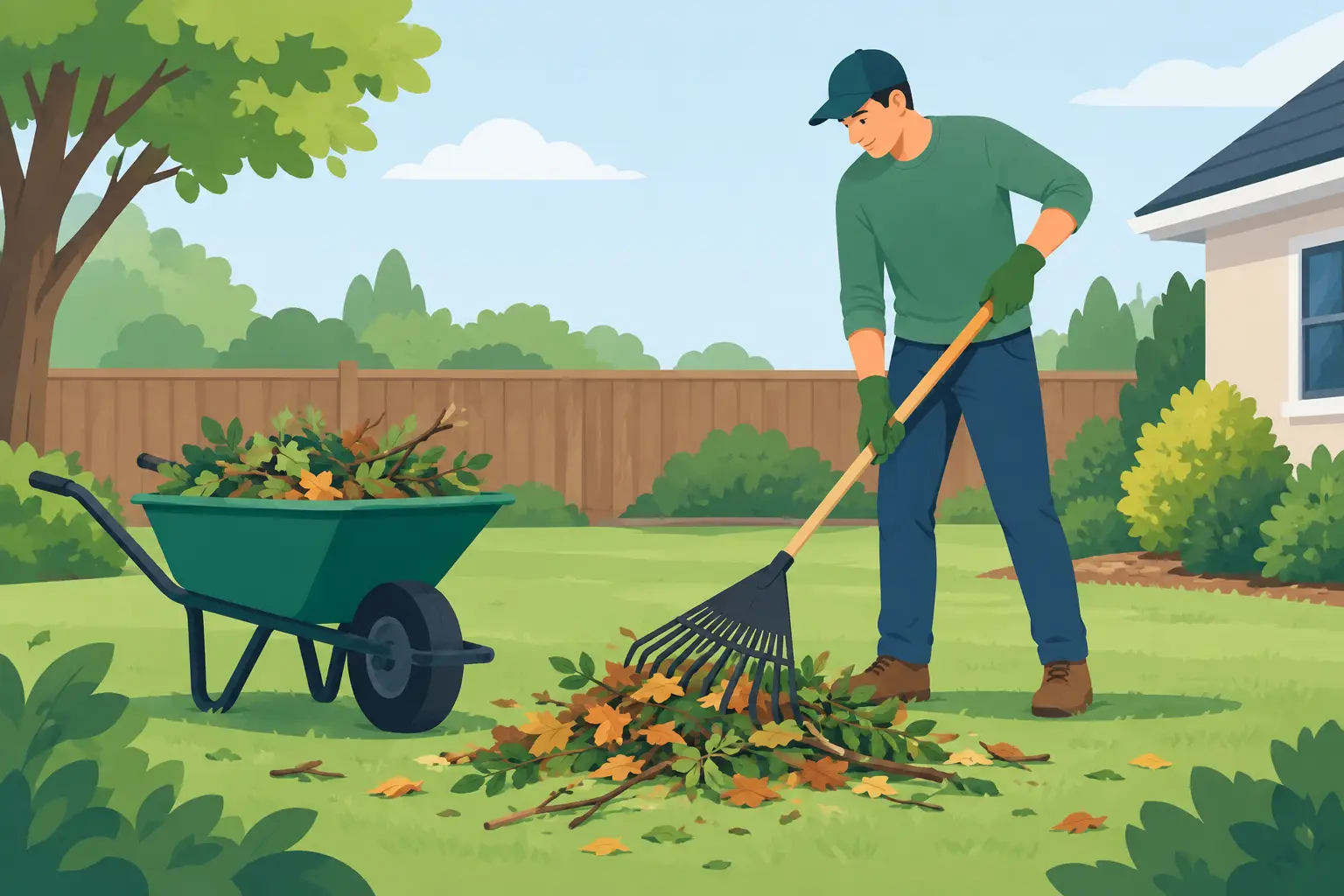
Cut long limbs into manageable sections before moving them. Do not try to drag an entire tree limb across the yard if it puts strain on your back or risks damaging irrigation lines, landscaping, or a parked vehicle. Lift with your legs, keep loads close to your body, and use a wheelbarrow or yard cart when possible.
Be cautious around downed trees near power lines. Do not cut, move, or stack branches that may be touching electrical equipment. That is a job for the utility provider or a qualified tree professional. The same applies to large hanging limbs, cracked trunks, and trees leaning toward a roof, driveway, or neighboring property.
Avoid burning yard debris. Beyond the fire risk, smoke can disturb neighbors and burning mixed materials can release harmful fumes. Burning is especially unsafe when a debris pile contains treated wood, plastic, paint, fuel, or hidden household waste.
Choose the Right Disposal Option
The right way to remove yard debris depends on volume, weight, and what is actually in the pile.
For a small amount of leaves, grass, and light trimmings, bagging may be enough. Use sturdy paper yard bags or approved containers if your collection service accepts them. Do not overfill bags. A bag that tears on the way to the curb creates more work and can leave scattered debris in the street or drainage area.
Composting is useful for clean leaves, grass in moderation, small twigs, and plant-based kitchen scraps. It is not the right fit for every property, particularly when you have a tight lot, an HOA restriction, pest concerns, or more material than you can reasonably process. Do not add diseased plants, invasive weeds, pet waste, treated lumber, or large woody branches to a basic home compost pile.
Mulching can reduce the amount you need to haul away. Chipped branches and leaves can help cover garden beds, retain moisture, and limit weed growth. However, fresh mulch should be kept away from the foundation and tree trunks. Piling organic material directly against a home can hold moisture where you do not want it.
For a larger pile, a drop-off site or a rented dumpster may be an option. Those choices can work well when you have time, a suitable vehicle, and a clear understanding of what the facility or rental company accepts. The trade-off is labor. You still have to load, secure, transport, unload, and clean up the remaining mess yourself.
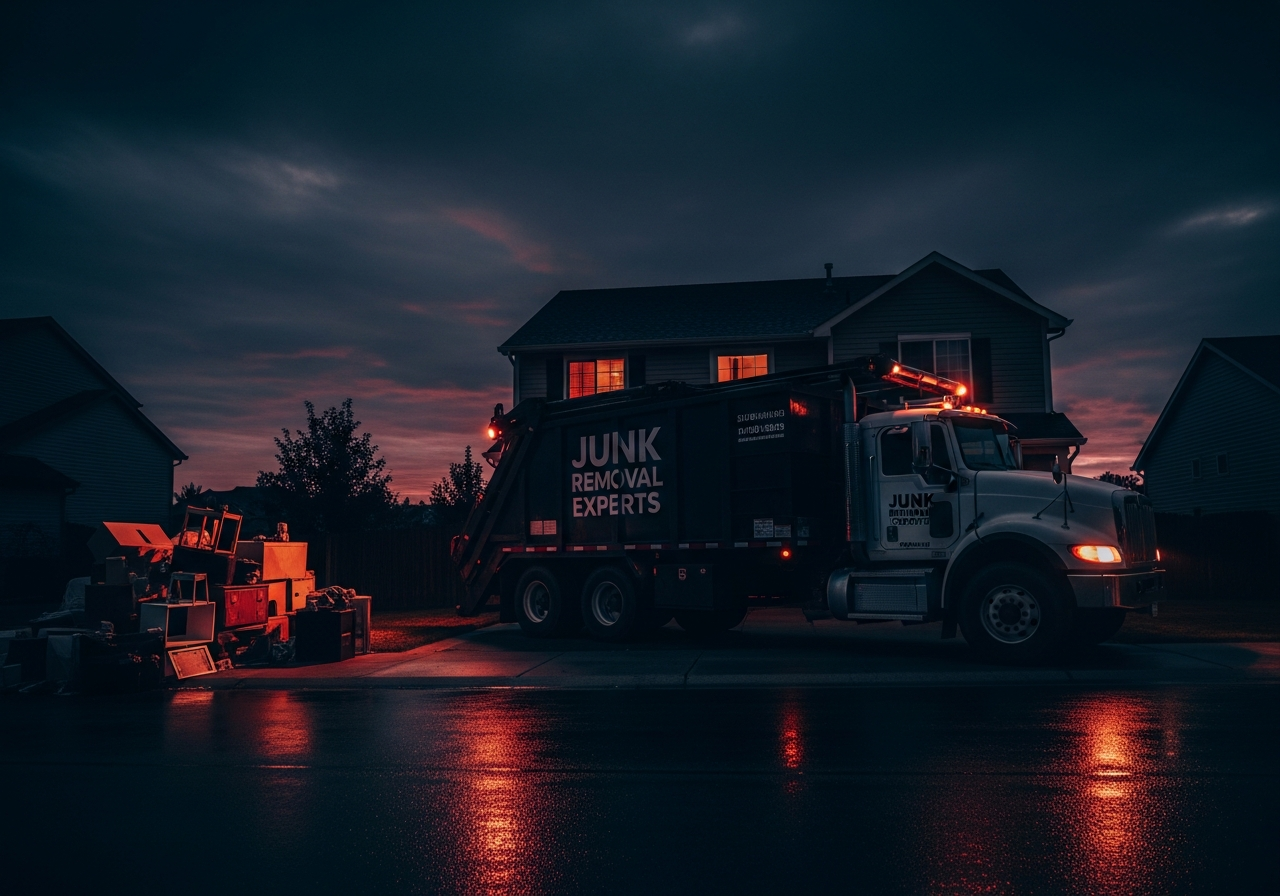
A professional pickup is often the practical choice when the debris is heavy, mixed, wet, or taking up valuable space. It is also helpful after landscaping projects, tenant move-outs, renovations, or storms, when yard debris is mixed with fencing, outdoor furniture, construction scraps, or other bulky items.
Do Not Mix These Materials Into the Pile
A clean green-waste pile is easier to manage and more likely to be handled responsibly. Separate anything that needs special disposal. This includes paint, chemicals, pesticides, motor oil, gasoline, propane tanks, batteries, electronics, and pool chemicals.
Keep rocks, soil, sod, concrete, bricks, and railroad ties separate too. These materials can be extremely heavy and may not be accepted with brush or standard junk loads. Treated wood deserves special attention because it should not be burned, composted, or mixed carelessly with organic material.
If you are clearing a rental property or commercial site, check the pile before arranging removal. Tenants and contractors sometimes place regular trash, old appliances, or hazardous materials inside a brush pile to make it disappear. Sorting first helps avoid delays and unexpected disposal issues.
Prepare Your Yard Debris for Fast Pickup
A little preparation makes removal quicker and safer. Place loose branches in one accessible area rather than leaving smaller piles around the yard. Keep the pile away from cars, gates, mailboxes, utility boxes, and drainage inlets. If there is a gate, make sure it can open fully and that pets are secured before a crew arrives.
Stack branches with cut ends facing the same direction when possible. This simple step makes them easier to grab and load. Bag loose leaves and clippings if they are likely to blow around, but do not bag heavy dirt, rocks, or soaked mulch unless you know the bags can handle the weight.
Take note of access issues. Narrow side yards, soft ground, steep slopes, and low tree limbs may affect how a crew can reach the material. Honest details upfront lead to a more accurate quote and a smoother removal day. Photos can be helpful when requesting an estimate, especially for storm debris or mixed outdoor cleanouts.
When It Is Time to Call for Help
There is no prize for turning a two-hour yard cleanup into a full weekend of loading and dump runs. Calling for removal makes sense when the pile is too large for curbside collection, the debris includes bulky items, or you do not have a truck and safe way to haul it.
It also makes sense when time matters. Property managers preparing for a new tenant, real estate professionals getting a listing ready, and homeowners dealing with storm cleanup often need the space cleared promptly. Same-day service can prevent a yard pile from becoming a bigger issue with neighbors, buyers, or tenants.
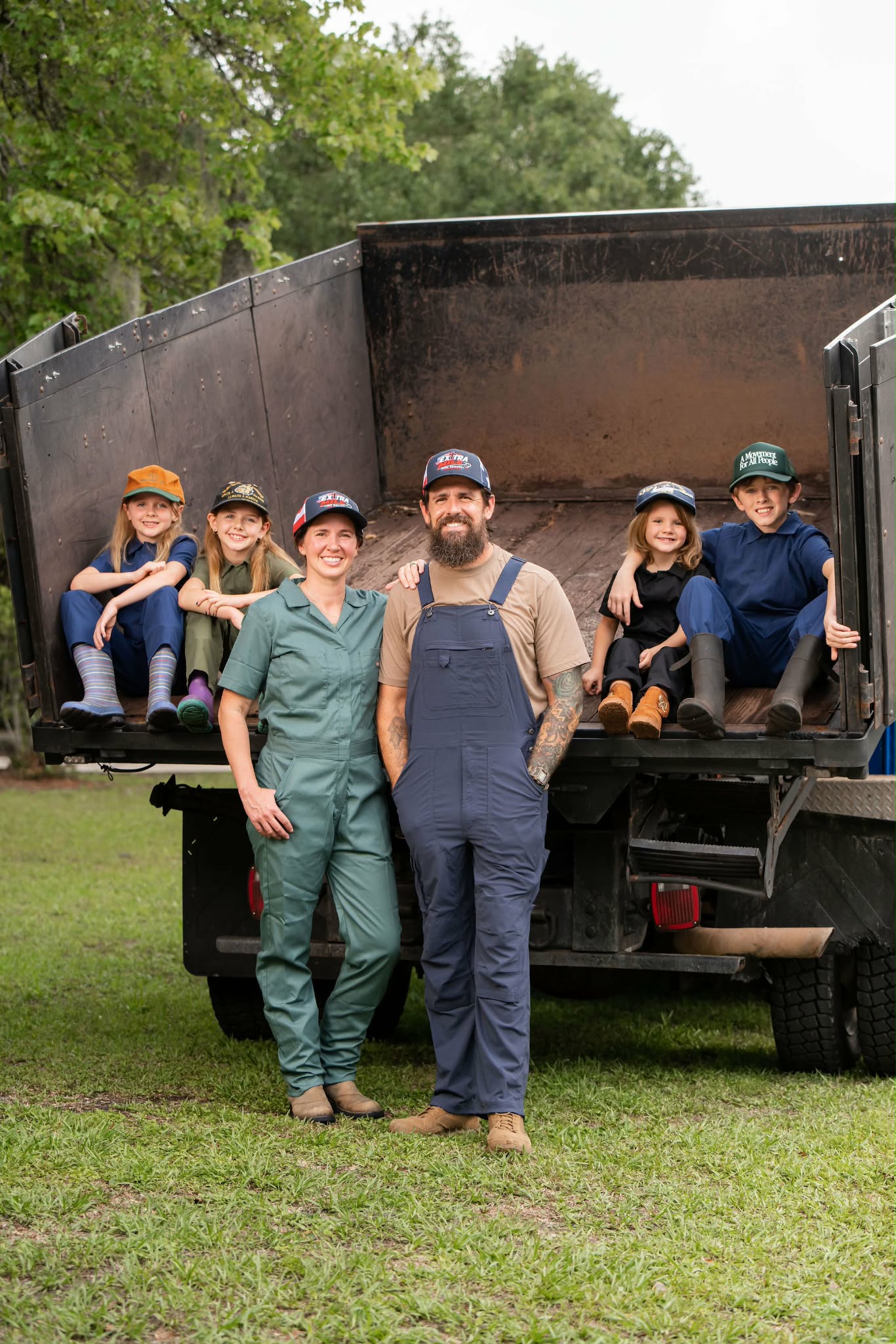
Extra Mile Junk Removal provides Jacksonville customers with straightforward yard debris and junk pickup for jobs that are too big, too heavy, or too time-consuming to handle alone. Expect clear communication, honest pricing, and responsible sorting of materials whenever possible.
A clean yard does more than improve curb appeal. It gives you back a usable driveway, patio, or outdoor space. Sort what you can, handle the small pile safely, and get help before a heavy debris stack becomes the next item on your weekend list.