

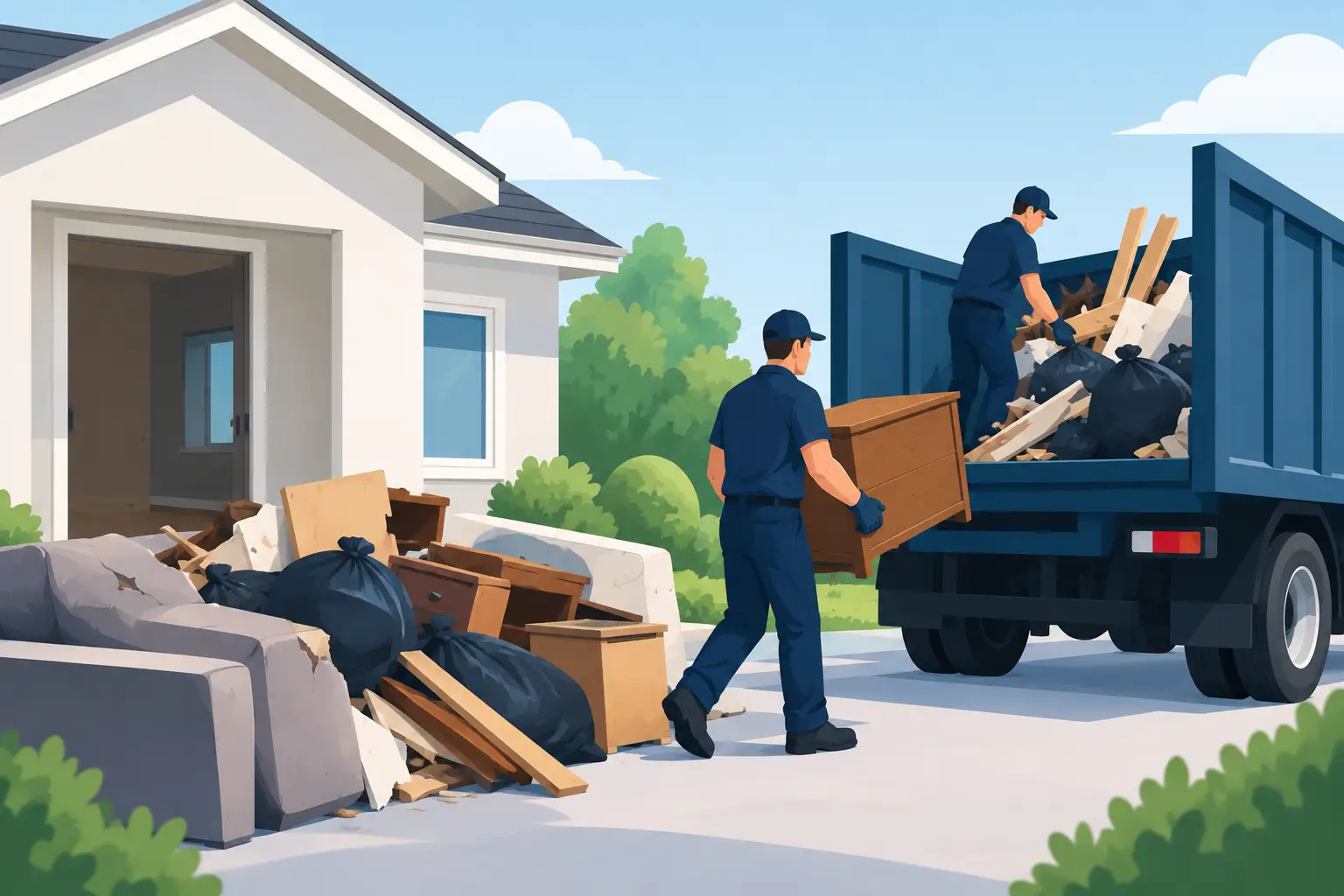
A vacant unit is not ready for the next tenant just because the locks have changed. Furniture, bagged trash, spoiled food, clothing, broken appliances, and forgotten items can hold up repairs, showings, and turnover. Professional post eviction debris removal clears the space quickly while helping property owners and managers move forward with a clean, workable property.
For Jacksonville landlords, property managers, and real estate professionals, timing matters. Every extra day a unit sits full of debris can mean delayed maintenance, unhappy owners, and lost rental income. The right removal crew gives you a clear plan, a straightforward price, and the manpower to get the job done without adding another item to your already full list.
When Post Eviction Debris Removal Is Needed
Eviction cleanouts can range from a few unwanted bags in a garage to an entire home packed with personal belongings and damaged household items. The situation is rarely predictable. A tenant may leave behind a couch, mattresses, boxes, and kitchen items. In more difficult cases, there may be damaged furniture, construction debris from unauthorized alterations, or a storage shed filled to the door.
The first priority is making sure you are legally cleared to remove anything. Florida property owners and managers should follow the required process for any personal property left behind after an eviction. Once the appropriate notice period and legal requirements have been met, removal can begin.
A professional junk removal team is most useful when the volume is too large for regular curbside collection, the property needs to be cleared fast, or the debris is too heavy to safely handle with a small maintenance crew. It also helps keep your staff focused on repairs, inspections, leasing, and tenant communication instead of hauling loads back and forth to disposal sites.
What a Cleanout Crew Can Remove
Post-eviction debris is not one thing. It is usually a mix of materials that need to be sorted and handled appropriately. Common items include household furniture, mattresses, clothing, toys, boxes, rugs, small appliances, electronics, bagged trash, yard waste, shelving, and general garage or patio clutter.
Many cleanouts also include bulky items that create the biggest headache: damaged sofas, bed frames, refrigerators, washers, dryers, and old televisions. These items are difficult to move, may not qualify for standard municipal pickup, and can slow down a turnover when they are left in hallways, driveways, or behind the property.
Some materials need a different plan. Paint, chemicals, fuels, medical waste, weapons, and certain hazardous materials should be identified before scheduling removal. A responsible hauling company will be clear about what it can accept and when a specialized service is required. Being upfront about these items avoids delays on pickup day.
A Faster Way to Turn a Vacant Unit
A cleanout should support the full turnover process, not create another delay. Before the crew arrives, walk the property and identify every area that needs attention. Check closets, attics, patios, sheds, crawl spaces, garages, cabinets, and outdoor bins. Items left in one overlooked area can force a second visit and slow down the work that follows.
If possible, separate items that need to remain from items approved for removal. Maintenance tools, leasing signs, installed appliances, and documents can easily get mixed into a large cleanout. Clear instructions at the beginning protect the property and keep the crew moving efficiently.
It also helps to tell the removal team about access conditions. Let them know whether there are stairs, elevators, gate codes, narrow hallways, limited parking, or a long carry from the unit to the truck. These details affect labor and timing, especially at apartment communities and multi-unit properties.
Schedule Removal Before Repairs Begin
Hauling debris after contractors have started work can create unnecessary friction. Workers may have to move around piles of furniture, dust and debris can spread into newly repaired areas, and materials may block access to damaged flooring or walls.
Whenever possible, schedule post eviction debris removal immediately after the property is cleared for cleanout and before repair crews arrive. Once the unit is empty, maintenance can inspect the true condition of the space, estimate repairs accurately, and begin without working around abandoned items.
For a light cleanout, same-day service may be enough to get the property back on track. For a heavily filled home or a multi-unit turnover, a scheduled time window gives the crew room to complete the work safely and thoroughly. The right option depends on volume, access, and how soon the unit needs to be market-ready.
Honest Pricing Starts With a Clear Scope
No property manager wants a vague estimate followed by surprise charges. Pricing for debris removal generally depends on how much space the items take up in the truck, the labor needed to load them, and special handling requirements. Stairs, unusually heavy items, long carry distances, and restricted access can affect the final price.
The best way to avoid confusion is to describe the job accurately from the start. Photos can help when you are coordinating remotely, but an on-site review may be necessary for large, packed, or complicated cleanouts. Ask for a clear explanation of what the quote includes: loading, hauling, disposal, and any applicable handling fees.
The cheapest option is not always the fastest or most reliable. A low quote can become expensive if a crew does not show up, leaves part of the load behind, or handles disposal carelessly. Property turnover is a business decision. Reliable service, clear communication, and a clean finish often protect more value than a small difference in hauling cost.
Donation-First Sorting Makes a Difference
Not every item left behind belongs in a landfill. When usable furniture, household goods, clothing, or other items can be donated, sorting them out can give those items a second purpose. It is a practical approach that reduces waste without slowing down the cleanout.
That said, donation is not guaranteed. Items must be clean, safe, and in condition that a local organization can accept. Torn mattresses, broken particleboard furniture, mold-damaged belongings, and heavily soiled items are usually not candidates. A professional crew should make realistic decisions based on condition, safety, and local acceptance rules rather than promising that everything will be donated.
Extra Mile Junk Removal takes a donation-first approach whenever suitable items can be diverted from disposal. That fits the needs of owners and managers who want a fast cleanout without treating every usable item like trash.
Protect the Property During Removal
Fast work should still be careful work. Crews moving bulky furniture through a unit can damage door frames, walls, flooring, stair rails, and landscaping if they rush or lack the right equipment. A professional team plans the path out, uses safe lifting practices, and works carefully around the property.
Before removal begins, take photos of the unit and note any pre-existing damage. This creates a useful record for your files and gives everyone a clear starting point. After the debris is gone, do a final walkthrough before releasing contractors or cleaners into the space.
The goal is not simply an empty room. It is a property that is ready for the next step, whether that means deep cleaning, repairs, staging, listing, or a new lease.
Questions to Ask Before You Book
Ask whether the company can provide a firm quote before loading begins, how quickly it can schedule service, and whether it handles apartment, condo, and rental-home access requirements. Confirm that the crew will remove items from every approved area rather than only picking up a curbside pile.
You should also ask how usable items are handled, what materials are excluded, and whether the crew can manage large appliances or unusually heavy furniture. Clear answers up front reduce confusion and help you coordinate the rest of the turnover with confidence.
A post-eviction cleanout can be one of the most frustrating parts of managing a rental, but it does not have to hold up the property for days. Once you have legal clearance, choose a removal team that shows up promptly, prices the job honestly, and leaves you with a clean space ready for what comes next.