

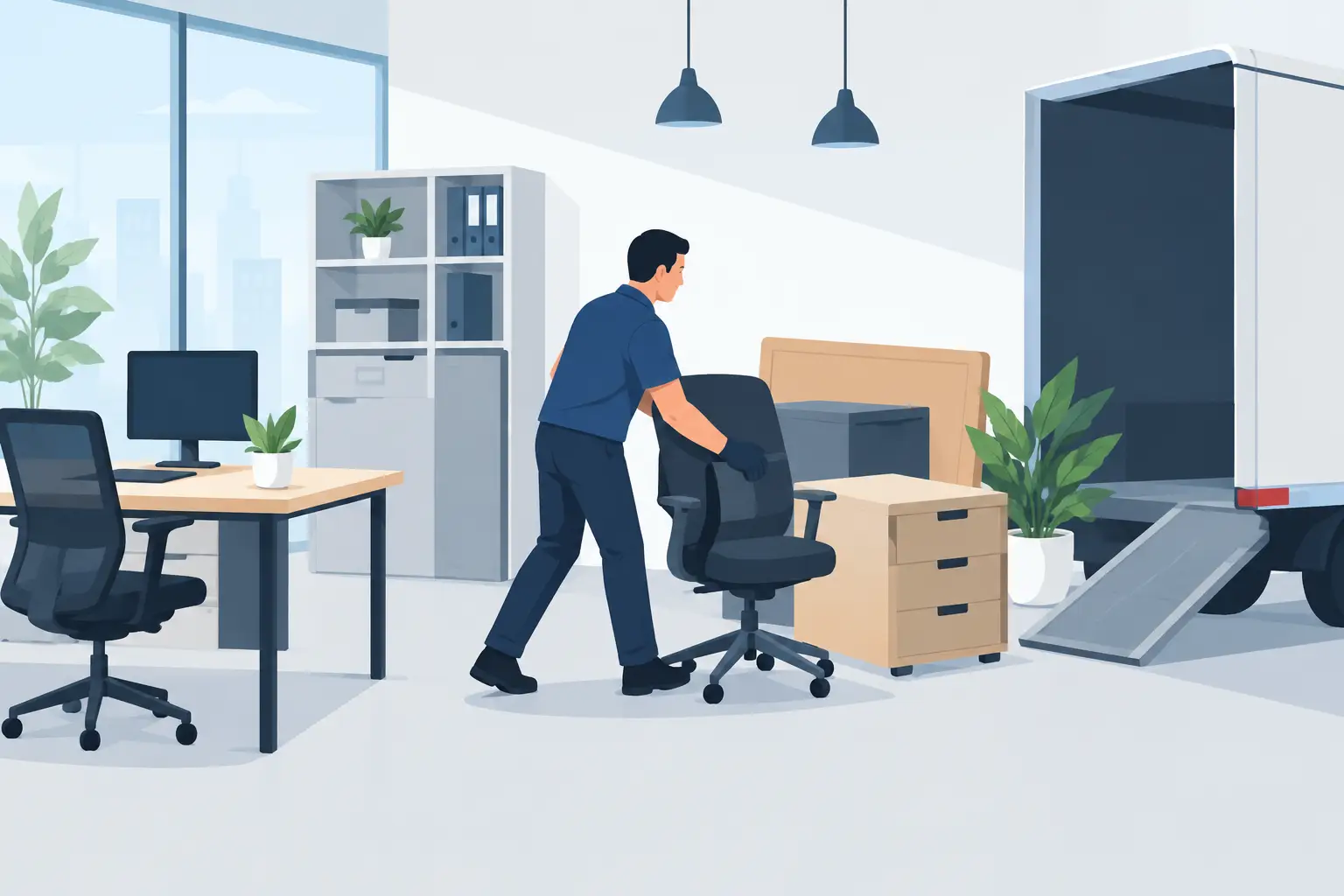
A vacant suite can still hold a costly problem: rows of desks, heavy conference tables, filing cabinets, and chairs that have nowhere to go. Whether you are relocating, downsizing, replacing worn furniture, or turning over a commercial space, the fastest way to remove unwanted office furniture is to make a clear plan before moving a single item. That protects your schedule, your building, and your budget.
For Jacksonville business owners, property managers, and real estate professionals, office furniture removal is rarely just a matter of putting items by the curb. Elevators, loading docks, lease deadlines, and disposal rules can quickly turn a simple cleanout into a delay. A professional removal crew can handle the lifting and hauling while you keep the transition moving.
When Office Furniture Removal Makes Sense
Office furniture is built to last, which is helpful until it is in the way. A few old chairs may be manageable, but a full office cleanout can tie up employees for days and create unnecessary risk of injury or property damage.
Removal is often needed after a lease ends, a company moves to a smaller footprint, or a business upgrades its workspace. It is also common when a landlord inherits furniture after a tenant leaves, or when a property manager needs a suite ready for showings. In each case, speed matters, but so does knowing what happens to usable items after they leave the building.
The right approach depends on the condition and quantity of the furniture. Clean, functional desks, seating, shelving, and conference tables may be candidates for donation or reuse. Broken particleboard pieces, damaged chairs, and obsolete cubicles may need responsible disposal instead. A donation-first removal company can help separate those paths without asking you to manage the logistics yourself.
What Can Be Hauled Away?
Most small commercial office cleanouts include standard furnishings: desks, office chairs, filing cabinets, bookcases, cubicles, conference tables, reception furniture, breakroom tables, and storage cabinets. Many crews can also remove miscellaneous nonhazardous items left behind during a move, such as boxed supplies, décor, whiteboards, and small electronics.
There are limits worth discussing before pickup. Electronics may require separate handling, and items containing hazardous materials should not be mixed into a general furniture load. If you have heavy safes, oversized built-ins, medical equipment, or large quantities of e-waste, mention them when requesting service. Clear details lead to a more accurate quote and the right equipment on removal day.
Before anything leaves, check drawers, cabinets, and desk pedestals for paperwork, keys, client information, and personal belongings. Locking file cabinets can be especially easy to overlook. Protecting confidential records is your responsibility, and finding them after the furniture is loaded is too late.
How to Remove Unwanted Office Furniture Without Delays
The best removals are planned around the building, not just the furniture. Start by walking the space and identifying what stays, what goes, and what may be donated. Marking items with simple labels prevents employees, vendors, or movers from taking the wrong pieces.
Next, measure access points. A large conference table may fit through an office doorway but not around a hallway corner or into an elevator. Note stairwells, loading zones, parking restrictions, and any building rules for vendor access. If furniture needs disassembly, confirm that ahead of time instead of discovering the issue when the crew arrives.
Timing is another practical decision. Same-day service can be a major help when a landlord has a hard turnover date or a last-minute move leaves furniture behind. For larger cleanouts, scheduling before or after normal business hours may reduce disruption to tenants and employees. It depends on your building rules and how much furniture needs to be moved.
A professional crew should provide a clear on-site assessment, explain the price before work begins, and do the heavy lifting. That is usually safer and faster than assigning the job to employees who may not have the tools, vehicle capacity, or experience to move bulky furniture through a commercial property.
Donation, Recycling, or Disposal: What Is the Right Choice?
Not every used desk is ready for a second life. Donation organizations generally need furniture to be clean, structurally sound, and useful to the people they serve. A desk with intact drawers and a set of matching chairs may be a good candidate. Furniture that is water-damaged, heavily stained, unstable, or incomplete usually is not.
Recycling may be possible for certain metal components and materials, but it is not a universal solution. Office furniture is often made from a mix of metal, laminate, plastic, fabric, and engineered wood. Separating those materials can take time, and local options vary. A responsible removal provider can evaluate the load and pursue the most practical diversion option available.
Disposal is sometimes necessary, especially for damaged or outdated items. The goal is not to promise that every piece can be donated. The goal is to avoid sending usable furniture to the landfill simply because sorting and delivery take more effort. That is the value of a donation-first mindset: it puts reuse first when the condition of the item supports it.
What Affects the Cost of Office Furniture Removal?
Honest pricing begins with the full scope of the job. The total usually reflects the volume of furniture, the weight of heavy items, labor required, access conditions, and disposal needs. A handful of chairs on a ground floor is very different from dismantling cubicles and carrying filing cabinets down several flights of stairs.
Be upfront about the details when requesting an estimate. Share photos if available, identify unusually heavy pieces, and mention elevators, stairs, long carry distances, gate codes, or loading dock requirements. This prevents surprises and gives the removal team a fair picture of the work.
The lowest quote is not always the lowest final cost. A vague price can leave room for unexpected charges after the crew arrives. Look for a company that explains what is included, confirms pricing before loading, and respects your property while working. For a business trying to close out a space quickly, dependable service is often worth more than a bargain that causes a missed deadline.
Keep Your Office Transition Moving
A clean, empty office is easier to market, renovate, hand back to a landlord, or set up for its next purpose. It also gives employees and customers a better impression than a space filled with abandoned furniture.
Extra Mile Junk Removal serves Jacksonville with fast response, honest pricing, and a donation-first approach to unwanted items. For small commercial cleanouts, the focus is simple: show up ready to work, remove the furniture safely, and leave you with usable space instead of another task on your list.
If your office transition has a deadline, do not wait until the final day to figure out the heavy lifting. A quick assessment and a responsible pickup plan can turn a crowded workspace into a cleared, ready-to-use property.