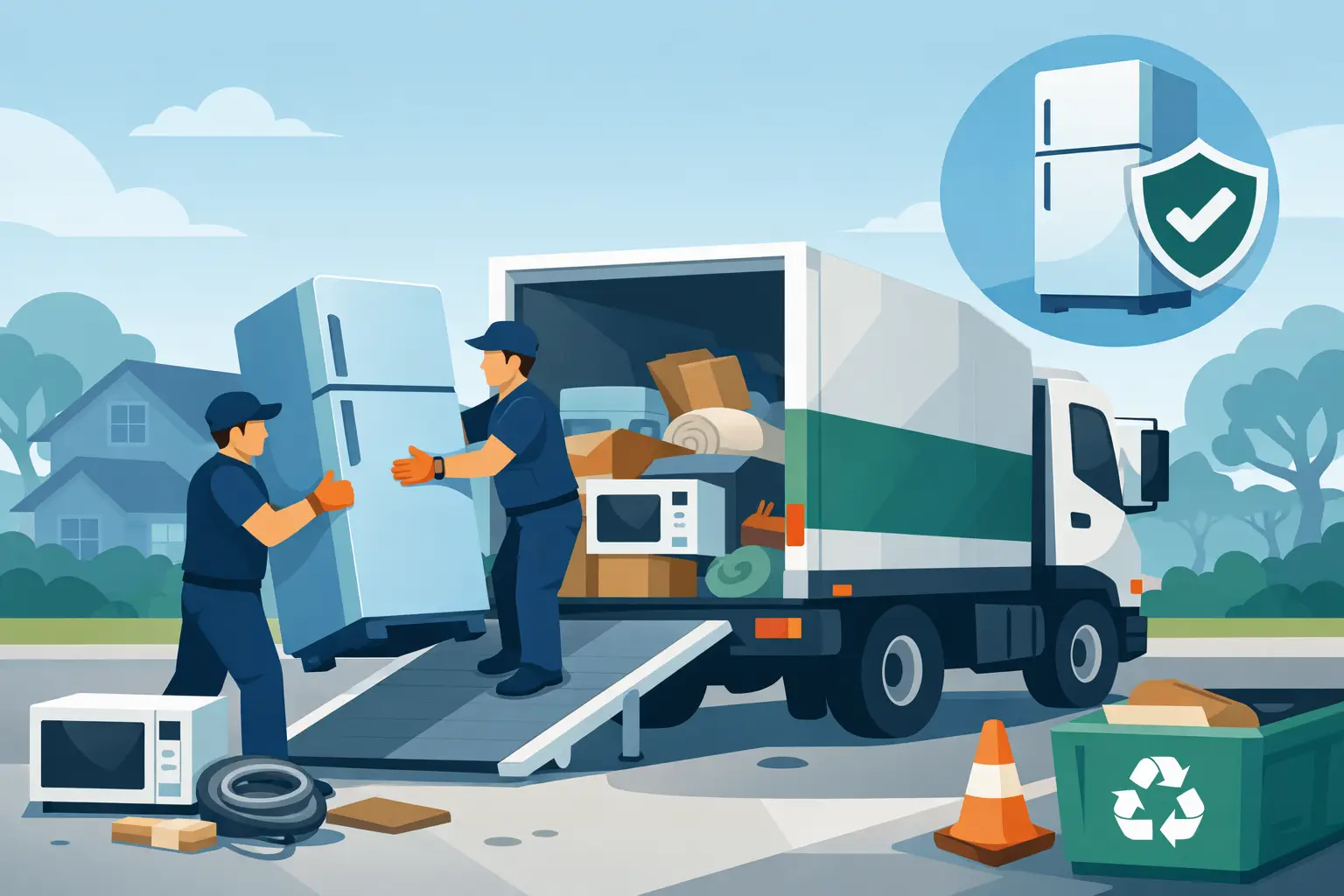
A refrigerator is one of those items that can stop a garage cleanout or kitchen renovation cold. It is heavy, awkward, and not something you can leave at the curb with confidence. So, can junk haulers remove refrigerators? In most cases, yes. A professional junk removal team can pick up an unwanted refrigerator and route it for proper recycling, disposal, or donation when its condition allows.
The key is choosing a hauler that understands the difference between moving a bulky appliance and handling one responsibly. Refrigerators contain components that require more care than an old chair, broken dresser, or bag of household clutter. For Jacksonville homeowners, renters, property managers, and business owners, a quick call before pickup can prevent surprises and get the job done faster.
Can Junk Haulers Remove Refrigerators From Your Property?
Professional junk haulers commonly remove standard household refrigerators, mini fridges, chest freezers, upright freezers, wine coolers, and many commercial-style units. They can usually pick the appliance up from a kitchen, garage, patio, storage unit, rental property, office, or curbside area.
Access matters. A refrigerator on a ground-floor garage is straightforward. One that must come down a narrow stairway, pass through a tight hallway, or be removed from a second-floor apartment may take more planning. Let the company know where the appliance is located, whether it is plugged in, and whether there are stairs, gates, elevators, or other access issues.
A reputable crew should assess the job before giving a final price. That is how honest pricing works. The goal is to account for the appliance, labor, access, and disposal requirements upfront instead of surprising you after the truck arrives.
Why Refrigerator Removal Is Different
A refrigerator is not regular trash. Older and newer models may contain refrigerants, oils, compressors, electronics, insulation, and other materials that should not simply be dumped. Refrigerant needs to be handled according to applicable environmental rules before the unit is recycled or processed.
That does not mean you need to figure out the disposal process yourself. It does mean you should avoid taking shortcuts. Do not cut refrigerant lines, dismantle the compressor, or attempt to drain anything from the appliance. Those steps can create safety concerns and may lead to improper handling of regulated materials.
Professional removal gives you one responsible point of contact. The team handles the heavy lifting and transports the refrigerator to the appropriate next stop based on its condition and local disposal options.
Prepare Your Refrigerator Before Pickup
A little preparation makes pickup safer and faster. Start by removing all food, shelves that could shift, magnets, and loose items from the doors. If the refrigerator still works, move perishables to another cooler or appliance well before the scheduled service window.
Unplug the unit and allow it to defrost. Place towels around the base to catch melting ice and water, especially if the refrigerator has been in a kitchen or indoor storage area. Water on tile, hardwood, or stairs can create a slip hazard for everyone involved.
If the refrigerator has a water line or ice maker connection, disconnect it only if you know how to do so safely. Otherwise, let the removal company know before arrival. A built-in or tightly fitted refrigerator may also need special care to avoid damage to cabinets, floors, or door frames.
Keep the doors closed until the appliance is ready to be moved. Once a refrigerator is taken out of service and stored for any length of time, securing or removing the doors is a smart safety step, particularly around children and pets.
What Affects Refrigerator Hauling Cost?
Refrigerator removal pricing depends on more than the appliance itself. Most junk removal companies consider its size, weight, location, labor required, and the disposal or recycling fees tied to the unit. A small dorm fridge near the front door is very different from a large French-door refrigerator in a second-floor condo.
The best way to get a clear number is to describe the item accurately. Share a photo if the company requests one. Mention whether it is a refrigerator, freezer, or combination unit, where it is located, and whether the path to the truck is clear.
Be cautious with quotes that sound unusually low but do not explain what they cover. Appliance disposal can involve real handling and processing costs. Transparent pricing should tell you whether the quote includes labor, loading, hauling, and responsible disposal.
Can Working Refrigerators Be Donated?
Sometimes, but only when the appliance is clean, functional, and suitable for reuse. Donation organizations often have their own acceptance standards. They may decline refrigerators that are too old, damaged, missing parts, heavily worn, or expensive to transport and repair.
A donation-first approach means looking for reuse opportunities before sending usable items to the landfill. Still, it is better to be realistic than to assume every refrigerator can be donated. A unit that does not cool properly, has mold or odors, leaks, or has visible damage is more likely to need recycling or disposal.
If your refrigerator is in good working order, clean it thoroughly and let the hauler know. That information can help determine whether donation is a practical option. If it is not, responsible recycling remains the better path than illegal dumping or leaving it in an unsafe spot.
Refrigerator Pickup for Rentals, Moves, and Cleanouts
For property managers, an abandoned refrigerator can delay a turnover and make a unit harder to show. For homeowners, it can block a renovation crew or take up valuable garage space after a new appliance delivery. For real estate professionals and estate cleanout families, it is often one of several large items that must be removed on a tight deadline.
That is where same-day or next-day junk removal can make a real difference, depending on availability. Instead of coordinating a truck rental, finding help to lift a several-hundred-pound appliance, and researching disposal locations, you can schedule one crew to remove the refrigerator along with other unwanted items.
Combining items can also make sense. If you have an old washer, dryer, mattress, sofa, boxes, or garage clutter, mention everything during the estimate. One organized pickup is often more efficient than scheduling separate trips or trying to manage each item on your own.
Questions to Ask Before You Schedule
Before hiring a refrigerator removal service, get a few practical answers. Ask whether they take refrigerators and freezers, whether pricing includes the appliance's disposal requirements, and whether there are extra charges for stairs or difficult access. Confirm the pickup window and ask what preparation they need from you.
You should also ask how reusable items are handled. A company that considers donation and recycling has a better plan than one that treats every load as landfill material. The answer does not need to be complicated. It should be direct, specific, and consistent with responsible local service.
Extra Mile Junk Removal serves Jacksonville customers who need bulky items gone without the runaround. The focus is simple: show up ready to work, provide honest pricing, and handle unwanted items with care for the community.
Do Not Let an Old Fridge Become a Bigger Problem
A disconnected refrigerator can quickly become an obstacle, a safety concern, or an eyesore. It can also hold up a move, rental turnover, renovation, or garage cleanup. If it is time for it to go, clear it out, unplug it, and arrange professional pickup rather than wrestling with it yourself.
The right hauler makes refrigerator removal a straightforward task: one call, a clear quote, and a responsible plan for getting the appliance off your property.