That old sectional can sit in a garage for months because getting it out feels harder than buying a replacement. The same goes for broken appliances, mattresses, exercise equipment, and oversized furniture. Knowing how to remove bulky items starts with one practical question: can the item be reused, recycled, or hauled away safely?
For Jacksonville homeowners, renters, landlords, and small businesses, the right answer depends on the item’s condition, its weight, and how quickly you need the space back. A little planning prevents damaged walls, strained backs, surprise disposal fees, and a pile left at the curb longer than expected.
Start by Sorting What You Have
Before lifting anything, take five minutes to separate bulky items into three groups: items worth donating, items that may be recycled, and items that need disposal. A solid wood dresser with working drawers may have a second life. A water-damaged particleboard dresser usually does not. An old refrigerator may need special handling because of refrigerants, while a working appliance could be accepted by a local nonprofit or reuse organization.
Condition matters more than age. Donation centers generally look for clean, usable furniture, working appliances, and household goods with all major pieces intact. If an item is stained, heavily damaged, infested, moldy, or unsafe, plan on responsible disposal instead of donation.
Check for Items That Need Special Handling
Not every bulky item belongs in a regular trash pickup or junk load. Paint, fuel, pesticides, propane tanks, batteries, chemicals, and medical waste can require separate disposal. Electronics, televisions, and certain appliances may also have local recycling requirements.
If you are clearing a garage, shed, or commercial storage area, look inside every container before moving it. Do not assume a box labeled “tools” contains only tools. Keeping hazardous materials out of a general haul protects your property, the crew, and the disposal process.
How to Remove Bulky Items Based on Your Timeline
Your timeline often determines the best removal method. If you have several weeks and the item is still useful, selling or donating it can make sense. If you are preparing a home for sale, turning over a rental, or finishing a renovation, a faster option may be worth more than the small amount you could earn from a marketplace listing.
Donate Usable Furniture and Household Items
Donation is a good fit for clean, functional pieces that someone else can use right away. Take clear photos, confirm the organization accepts the item, and ask whether pickup is available. Some groups have limited pickup schedules, so this option is less reliable when you are on a tight deadline.
Do not leave donation items outside after hours unless the organization specifically allows it. Florida heat, rain, and humidity can quickly turn a usable sofa or mattress into landfill material.
Use City or Private Bulk Pickup When It Fits
Some neighborhoods offer bulk collection options, but rules vary by address, item type, quantity, and collection schedule. There may be limits on appliances, construction debris, or how far in advance you need to schedule service. Check the current requirements for your location before moving large items to the curb.
Curbside pickup can be a practical low-cost option for one or two accepted items when you are not in a rush. The trade-off is timing and control. You may need to wait for a scheduled collection date, keep items outside, and handle all the lifting yourself.
Hire a Professional Junk Removal Team for Fast Clearance
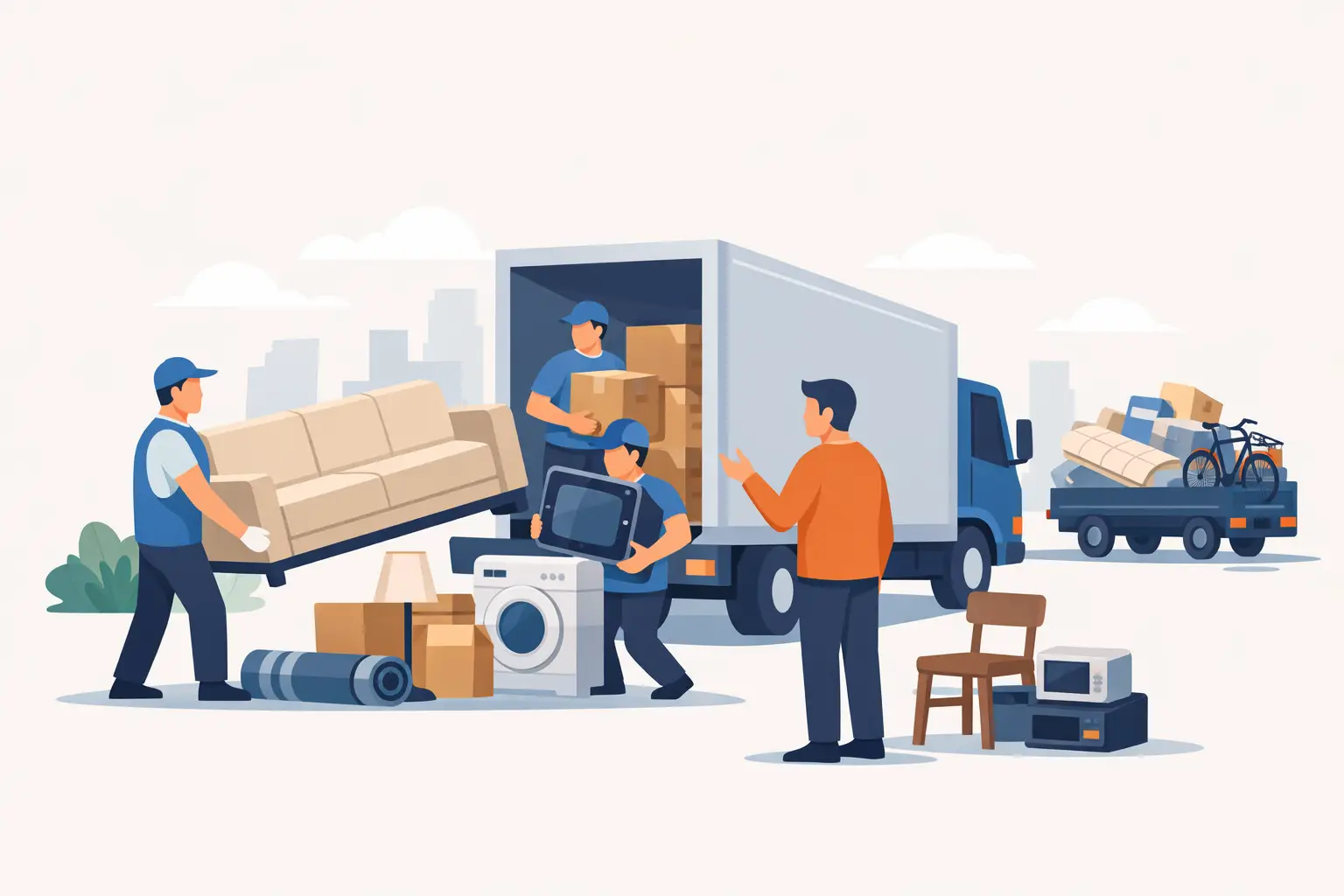
Professional hauling is usually the simplest choice when you have multiple bulky items, limited help, stairs, tight hallways, or a deadline. A qualified crew can remove items from where they sit, load them, and sort what can be donated or recycled when possible.
For a move-out, estate cleanout, office refresh, or tenant turnover, this approach keeps the job moving. It also avoids the common problem of renting a truck, finding help, making multiple disposal trips, and discovering that the landfill will not accept part of the load.
Extra Mile Junk Removal provides same-day service in Jacksonville when availability allows, with honest pricing and a donation-first approach for items that can still serve the community.
Prepare Bulky Items Before Pickup
Preparation does not need to be complicated, but it makes removal safer and faster. Clear a path from the item to the door. Move rugs, lamps, pet bowls, and anything that could become a trip hazard. If the item is in a bedroom or upstairs room, measure narrow doorways, stair landings, and turns before attempting to move it.
Remove loose drawers, shelves, glass panels, and detachable legs when practical. Bag small hardware and tape it to the item if it will be donated or sold. For appliances, empty all contents and disconnect water lines or power in advance if you are comfortable doing so. Never cut electrical lines or disconnect gas appliances unless you know the proper procedure.
If you are using a removal service, tell them about heavy pieces, stairs, elevators, gates, parking restrictions, or long carrying distances before they arrive. A piano, hot tub, commercial copier, oversized safe, or large arcade machine may require additional equipment or a specialized plan.
Avoid Injuries and Property Damage
The biggest mistake with bulky item removal is treating a heavy object like a quick two-person job. Sofas can catch on door frames. Dressers can shift when drawers are removed. Refrigerators are top-heavy. A single awkward lift can damage flooring or cause a serious injury.
Use furniture sliders, dollies, moving straps, and work gloves when you have the right equipment and enough capable help. Lift with your legs, keep the load close, and stop if you cannot maintain control. Do not drag furniture across hardwood, tile, or vinyl flooring without protection.
For especially heavy or awkward items, professional removal is often the more economical decision once you consider truck rental, equipment, disposal charges, time off work, and the risk of damage. Saving a little on pickup is not a win if it leads to a damaged wall or an injured back.
Understand Pricing Before You Schedule Removal
Reliable junk removal pricing should be easy to understand. Most providers price by the amount of space items take up in the truck, with adjustments for unusually heavy materials, difficult access, or items requiring special disposal. Ask whether the quote includes labor, loading, transportation, and disposal fees.
Be specific when describing your load. Mention whether furniture is already at the curb or still inside, whether there are stairs, and whether you have construction debris mixed with household junk. Photos can help a provider give a more accurate estimate, but an on-site confirmation is often best for large cleanouts.
The lowest number is not always the best value. Look for clear communication, an arrival window, upfront approval before work begins, and a responsible plan for reusable items. Those details matter when someone is working inside your home, rental property, or business.
Make the Removal Day Simple
Keep pets secured, unlock gates, and reserve a nearby parking space if possible. Point out exactly what should go and what must stay, especially during a whole-home cleanout. A piece of painter’s tape or a quick walkthrough can prevent a family heirloom, office file box, or tool set from being removed by mistake.
Before the crew leaves, check closets, sheds, behind doors, and storage areas one more time. Bulky-item jobs often uncover smaller items that were hidden behind furniture. If the goal is a clean, usable space, it is easier to handle those last pieces while the truck is already there.
A bulky item should not control your garage, spare room, or move-out schedule. Choose the removal method that matches its condition and your deadline, then clear the space with a plan that is safe, fair, and responsible.