A garage cleanout can turn into a pile of decisions fast: keep it, trash it, recycle it, donate it, or deal with it later. Knowing how to sort items for donation before pickup keeps usable goods out of the landfill and makes the entire job move faster. The goal is not to donate everything you no longer want. It is to separate items that can realistically help someone else from items that are damaged, unsafe, or too worn out to use.
For Jacksonville homeowners, renters, property managers, and small business owners, a little sorting also prevents a common problem: assuming every charity can accept every item. Donation centers have space limits, safety standards, and changing needs. A clean, usable item has a better chance of being accepted and passed along.
Start With Four Clear Categories
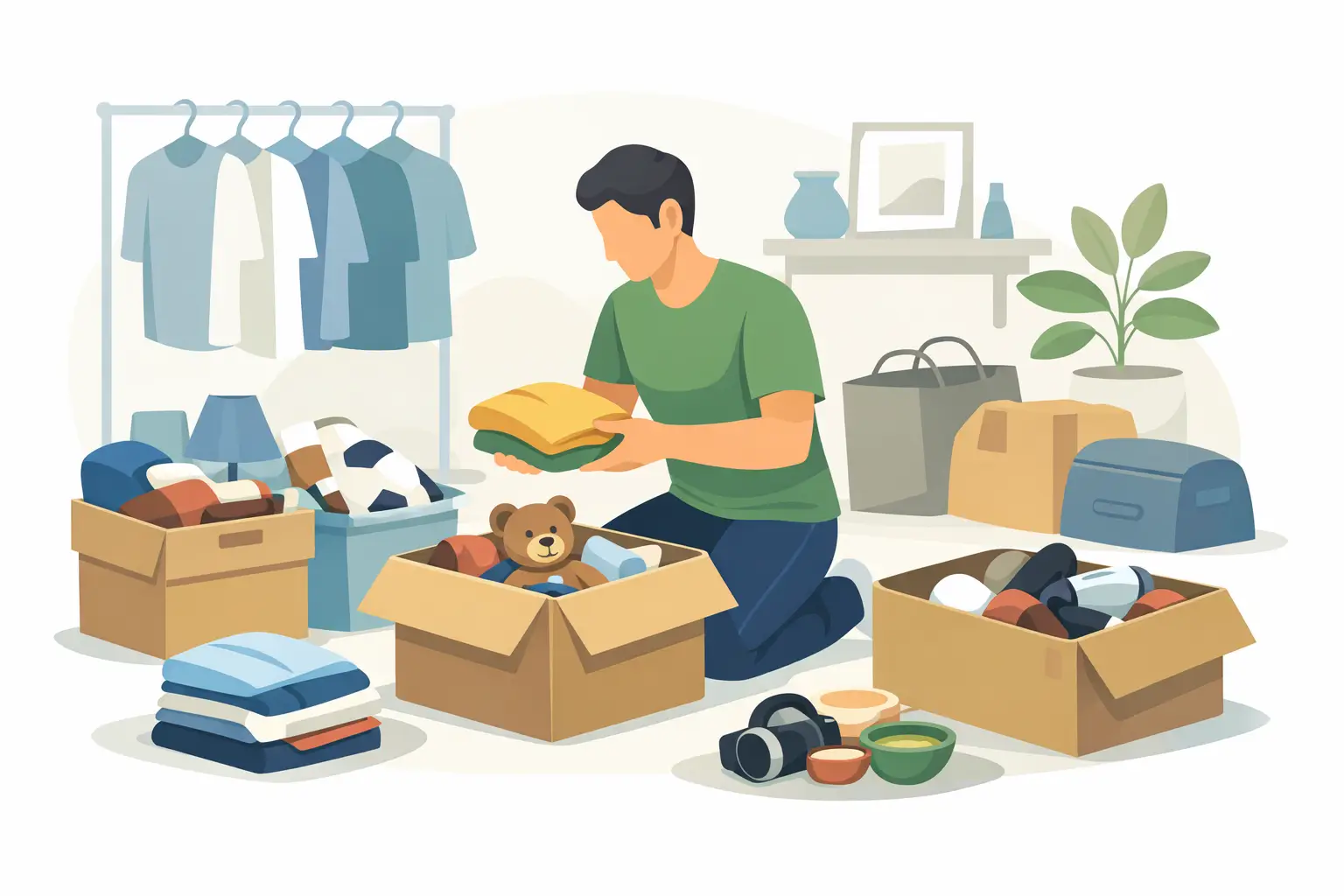
Set up four areas before you begin. Use labeled boxes, corners of a room, or sections of the driveway. The categories are simple: keep, donate, recycle, and dispose. If an item needs a repair you realistically will not make, do not put it in the keep pile just because it might be useful someday.
The donate pile should be reserved for items that are clean, functional, and complete enough for another person to use without a major repair. The recycle pile is for materials with a separate recovery path, such as cardboard, certain metals, electronics, and batteries. The dispose pile is for items that are broken, stained, moldy, heavily damaged, or unsafe.
This system works best when you make quick first decisions. Do not stop to research every old kitchen tool or stack of books. Put uncertain items in a small "check" box, then come back to it after the main sorting is done. That keeps one questionable item from slowing down an entire cleanout.
How to Sort Items for Donation: Use the Condition Test
A good donation test is straightforward: Would you feel comfortable giving this item to a neighbor, friend, tenant, or family member as it is today? If the honest answer is no, it probably does not belong in a donation box.
Check each item for cleanliness, function, completeness, and safety. Clothing should be freshly laundered and free of strong odors, major stains, tears, and excessive pet hair. Shoes should have usable soles and be paired together. Furniture should be stable, reasonably clean, and free from visible mold, pest activity, or severe structural damage.
For household goods, make sure sets are complete where it matters. A box of plates can be useful even if it is not a matched set. A board game missing essential pieces, a lamp without a working cord, or a blender with a cracked pitcher is less likely to be accepted. Small issues can add up to a burden for the organization receiving them.
Be especially careful with upholstered furniture and mattresses. Donation acceptance rules vary widely because bed bugs, odors, stains, smoke exposure, and damage can create real health concerns. If there is any sign of infestation, moisture damage, or contamination, keep the item out of the donation pile.
Items That Are Often Good Donation Candidates
Donation needs differ by organization, but many clean, usable household items are commonly welcomed. Sort these separately so they are easy to identify during pickup or drop-off:
- Clean clothing, coats, shoes, handbags, and accessories
- Dressers, tables, chairs, bookcases, and other sturdy furniture
- Dishes, cookware, glassware, utensils, and small kitchen appliances that work
- Towels, sheets, blankets, curtains, and other clean linens
- Books, puzzles, toys, sports equipment, and craft supplies in usable condition
- Office furniture, filing cabinets, shelving, and working equipment from small commercial spaces
Keep related items together. Put cords with electronics, hardware with furniture, and accessories with the item they belong to. A donation center or removal crew can make better decisions when the item is complete and clearly organized.
Separate Items That Need Special Handling
Some items should never be mixed into general donation bags or placed at the curb for standard removal. These may contain personal information, hazardous materials, or components that require specialized disposal.
Before donating or removing electronics, erase personal data from phones, tablets, laptops, printers, and smart home devices. Remove SIM cards, memory cards, and saved account information. For paper records, shred documents with bank details, medical information, Social Security numbers, or other sensitive data.
Set aside paint, chemicals, motor oil, propane tanks, pesticides, batteries, fluorescent bulbs, and similar materials. These items can be hazardous and often have local disposal rules. Prescription medication should also be handled through an approved take-back or disposal program rather than tossed into a donation box.
Large appliances can be a case-by-case decision. A clean, working refrigerator, washer, dryer, or range may be useful, but some organizations cannot accept them because of space, age, or hauling limitations. If an appliance is not working, it may still have recyclable metal components, but it is not a donation item.
Clean First, But Do Not Overwork the Project
Donation-ready does not mean perfect. You do not need to refinish a scratched table or spend a weekend repairing every chair. It does mean taking basic, reasonable steps: wipe down surfaces, empty drawers, remove personal belongings, and bag loose items so they stay together.
For clothing and linens, wash and dry everything before bagging it. Use sturdy bags or labeled boxes, especially if the items may sit in a garage or on a porch before pickup. Jacksonville heat and humidity can quickly create odors or moisture issues, so avoid leaving donation items outside for long periods.
For furniture, vacuum cushions, wipe off dust, and check drawers or compartments one more time. People often find keys, photos, documents, jewelry, or cash during this step. A final look saves headaches later.
Do Not Use Donation as a Shortcut for Disposal
Donation is a responsible option when the item has real life left in it. It is not a way to avoid dealing with broken, contaminated, or heavily worn belongings. Sending unusable items to a charity can create extra labor and disposal costs for the very organizations trying to help the community.
This is where honest sorting matters. A cracked plastic storage bin may be recyclable or disposable. A water-damaged couch belongs in the disposal pile. A solid wood table with minor cosmetic wear may be an excellent donation candidate. The difference is usefulness, safety, and whether the item can be passed along without creating a problem for someone else.
If you are clearing an estate, rental property, storage unit, or office, work room by room. Finish one space before opening another. This prevents keep items from getting mixed with donation items and gives you a clearer picture of what actually needs hauling.
Make Pickup Day Easier
Once you have sorted, group donation items in one accessible area and keep them separate from trash, recycling, and items you plan to keep. Label boxes when possible. A simple "donate - kitchen" or "donate - clothes" note makes a difference when multiple people are helping.
If you are using a junk removal service, be clear about which items you hope can be donated. A donation-first approach means usable goods are identified before the load is treated as disposal, but acceptance can depend on condition and local organization requirements. No responsible company can promise that every item will be accepted by a charity.
Extra Mile Junk Removal helps Jacksonville customers clear unwanted items with honest pricing, fast service, and a donation-minded process. When time is tight after a move, renovation, tenant turnover, or family cleanout, sorting the obvious donation candidates ahead of time helps the crew work efficiently and helps usable items get the consideration they deserve.
The best time to decide whether something is donation-ready is before it reaches the truck. Give each item a fair look, keep the useful goods together, and let the damaged items go through the right disposal channel. That is a cleaner way to clear space and a better way to serve the community.