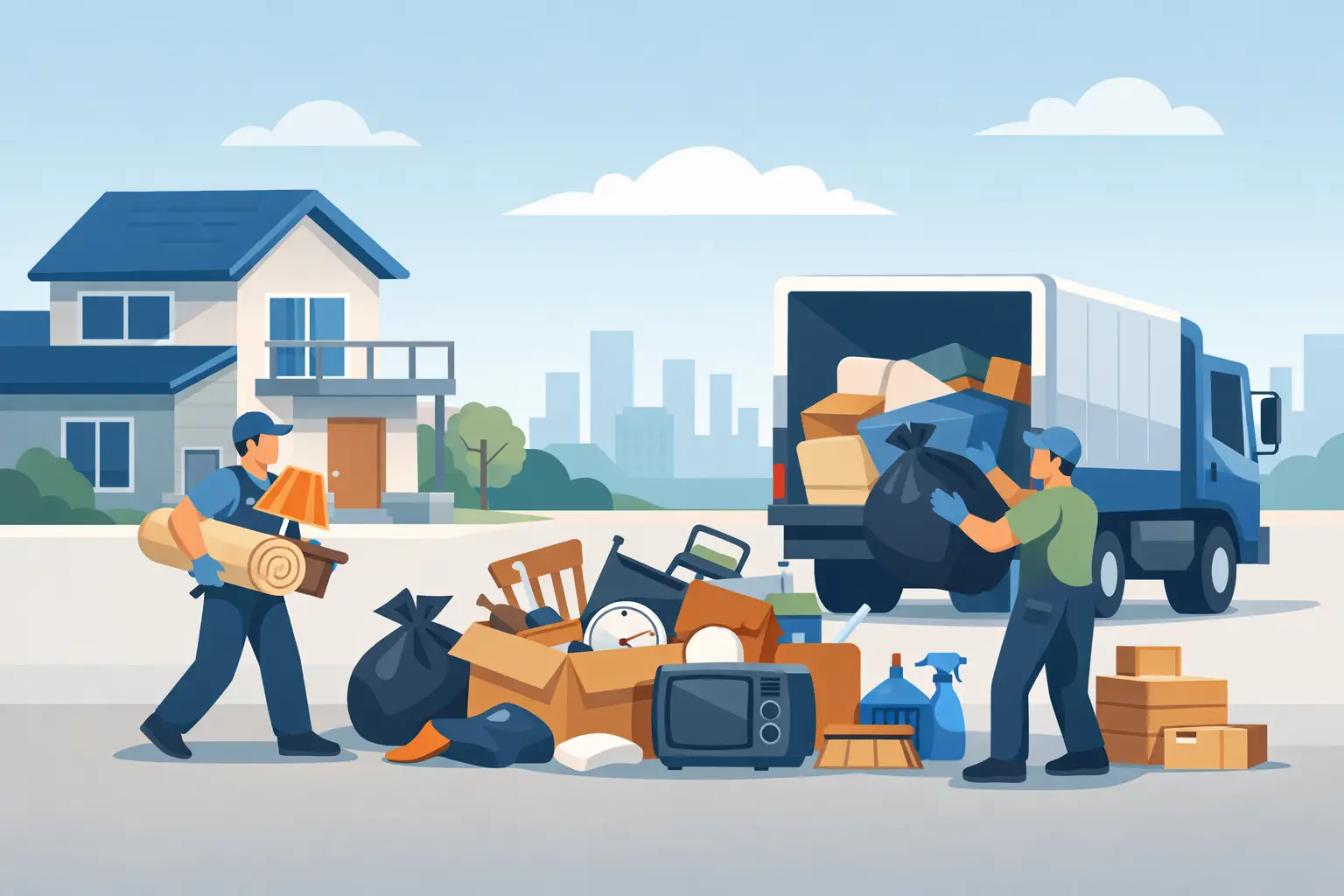
A vacant unit can start costing money the moment the former tenant leaves. Cleanup crews, painters, repair technicians, leasing agents, and incoming residents all need room to work. This property turnover junk removal guide helps Jacksonville property owners and managers clear what is left behind without losing days to sorting, hauling, and disposal runs.
The goal is not simply to empty the property. It is to get the unit clean, safe, documented, and ready for the next step in the turnover process. That takes a clear plan, especially when a move-out includes furniture, bagged trash, damaged appliances, old mattresses, or items that may still be reusable.
Start the Turnover With a Clear Scope
Before anyone begins cleaning or repairs, walk the property room by room. Take photos and note what belongs to the unit, what may be tenant property, and what needs immediate removal. This protects the owner, gives vendors a clear work order, and prevents usable items from being tossed out by mistake.
Check closets, storage rooms, patios, garages, attics, and exterior areas. These are the places where bulky items and forgotten debris tend to collect. A fast walkthrough also shows whether the removal job is a simple pickup or a full cleanout requiring extra labor, truck space, and disposal planning.
If the tenant has recently moved out, follow your lease terms and applicable Florida requirements for abandoned property before removing anything. A tight turnover schedule matters, but so does handling the situation correctly. When there is uncertainty about ownership, documentation and a short delay can be the safer choice.
Sort for Safety, Speed, and Responsible Disposal
Once the property is cleared for removal, separate items by what can be donated, recycled, hauled away, or handled through a specialty disposal process. You do not need to create a perfect sorting system. You do need to identify items that should not go into a standard junk load.
Usable furniture, clean household goods, clothing, and working small appliances may be good donation candidates. Donation-first removal is practical when items are in acceptable condition and local organizations can take them. It is not a promise that every item can be donated. Torn mattresses, water-damaged furniture, broken particleboard, and heavily soiled belongings generally need disposal instead.
Set aside materials that need special attention, including paint, chemicals, fuel, batteries, propane tanks, fluorescent bulbs, and electronics. These items can have different disposal rules and should be identified before a crew arrives. The same applies to large appliances, tires, construction debris, and unusually heavy items. Calling them out early leads to a more accurate quote and avoids a surprise on pickup day.
A simple approach works well: group loose trash in bags or boxes when practical, keep hazardous materials separate, and leave bulky items where they can be accessed safely. Do not spend hours breaking down a cleanout just to make it look organized. A professional removal crew can handle the loading. Your time is better spent coordinating repairs and preparing the listing.
Build Junk Removal Into the Turnover Schedule
Junk removal should happen before deep cleaning, flooring work, painting, or staging. Crews need clear paths to move furniture and debris safely. Removing the contents first also makes hidden damage easier to spot, whether it is a stained wall, pest issue, broken blind, or flooring repair.
For a standard turnover, schedule removal as soon as the unit is legally clear and your walkthrough is complete. Same-day service can be especially useful when a new tenant is waiting, a property inspection is scheduled, or a contractor cannot start until the space is empty.
The order usually looks like this:
- Document the unit and confirm abandoned-property procedures.
- Remove junk, unwanted furniture, and loose debris.
- Complete repairs, pest treatment, and maintenance work.
- Deep clean, repaint if needed, and conduct the final walkthrough.
This sequence may change if there is a water leak, electrical issue, or health and safety concern. Those problems should be addressed first. Otherwise, clearing the space early keeps every later vendor from working around someone else's leftovers.
Get an Honest Quote Before the Truck Is Loaded
Property managers need predictable costs, not vague estimates that change at the curb. For the most accurate pricing, provide photos when requesting service and describe access conditions honestly. Mention stairs, elevators, long carries, gate codes, narrow hallways, parking restrictions, and whether the property is occupied.
Volume is a major factor in junk removal pricing, but labor and disposal needs matter too. A few heavy pieces on a third-floor walk-up can require more effort than a larger pile beside a ground-level garage. Specialty items may also affect the price because they require separate handling or disposal fees.
Ask what the quote includes. A clear estimate should address labor, loading, hauling, and standard disposal. If the scope changes after the crew arrives because there are additional rooms, hidden storage areas, or materials not previously mentioned, request an updated price before work begins. That keeps the decision in your hands.
For ongoing rental portfolios, keep basic notes on previous cleanouts. Over time, you will see patterns by property type, tenant profile, and unit size. Those records make budgeting easier and help you spot when a turnover has become more than routine cleanup.
Make Access Easy for the Removal Crew
Fast service depends on access. Reserve a parking spot close to the unit when possible, provide gate and door codes, and confirm who will meet the crew or authorize entry. In apartment communities and condominiums, check loading-zone rules and elevator policies ahead of time.
Remove personal tools, maintenance supplies, and materials that need to stay in the unit. If contractors are already working, give everyone a clear plan for where vehicles, debris, and equipment will go. A cluttered work site slows the job and increases the chance that the wrong item is removed.
For exterior cleanouts, make sure the crew can identify the correct items. If a curbside pile is near another resident's belongings or an HOA common area, mark what is included or have a representative on-site. Clear direction prevents costly confusion.
Know When a Full Cleanout Is Worth It
A few bags and a sofa are one type of job. A house or commercial suite packed with abandoned belongings is another. A full cleanout is usually the better choice when multiple rooms are filled, a tenant left furniture throughout the property, an estate or foreclosure requires clearing, or renovation debris is blocking repairs.
Trying to manage a large cleanout with several personal truck trips can look cheaper at first. The trade-off is time, disposal fees, fuel, lifting risk, and the delay to your next lease or sale. For owners and managers, the right question is often not whether hauling can be done in-house. It is whether in-house hauling is the best use of the team's time.
Professional crews bring the labor and truck capacity to remove items in one coordinated visit. Extra Mile Junk Removal serves Jacksonville with fast response, honest pricing, and a donation-first mindset when items qualify. That can reduce the number of vendors involved during an already busy turnover.
Use Turnovers to Set a Better Standard
Each turnover is a chance to improve the next one. Add photo documentation, access instructions, approved disposal contacts, and a simple abandoned-item procedure to your turnover checklist. If a recurring issue shows up, such as oversized furniture left at one community or renovation debris at a certain property, address it in the lease, vendor process, or maintenance plan.
A cleared property gives your team a clean starting point. It lets repairs move faster, helps cleaners do their best work, and gives prospective tenants a better first impression. When the unit is ready, the next good decision is easier to make: get it listed, get it shown, and get it occupied.