
The mess usually shows up before the project is finished. Drywall scraps pile up in the garage, busted tile fills heavy-duty bags, and old cabinets end up stacked by the curb longer than anyone planned. That is where construction debris removal stops being an afterthought and starts being part of keeping a job safe, on time, and manageable.
For homeowners, landlords, property managers, and small business owners, cleanup is often the part that gets underestimated. The demo goes faster than expected, but the debris stays put. Then walkways get blocked, parking gets tight, and the property starts looking like the project stalled out. A professional haul-off service solves that problem quickly, but it also helps prevent injuries, code issues, and unnecessary delays.
What counts as construction debris removal
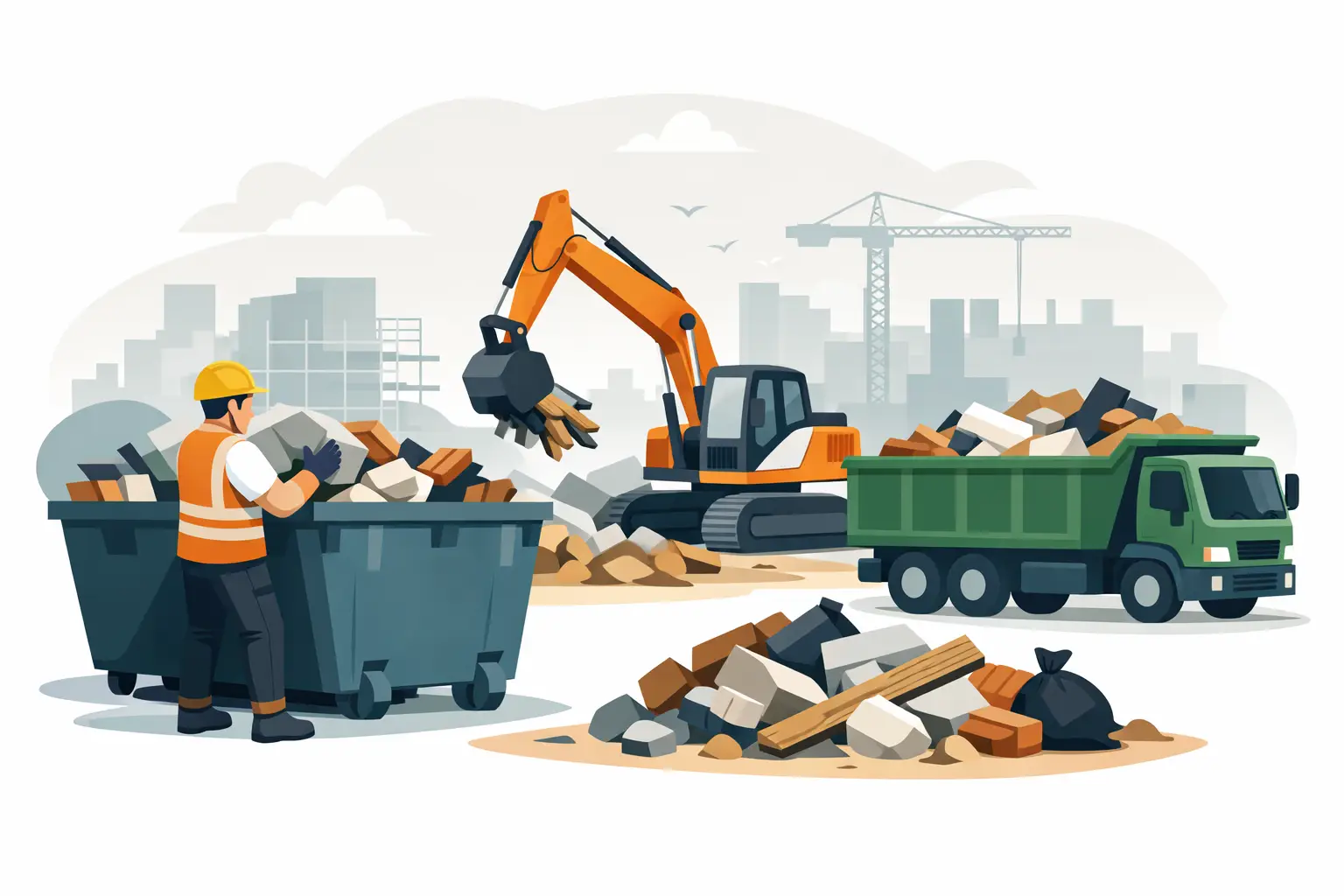
Construction debris removal covers more than a few trash bags after a weekend project. It usually includes materials left behind during remodeling, repairs, tenant turnover, light demolition, and property updates. That can mean lumber, drywall, tile, carpet, cabinets, countertops, fencing, insulation, doors, fixtures, and broken-down materials from tear-outs.
Not every load looks the same. A bathroom remodel creates dense, heavy debris in a small footprint. A full property cleanout after repairs may include mixed materials spread across several rooms and outdoor areas. That matters because labor, access, and volume all affect how a removal job is handled and priced.
There is also a difference between general junk and construction waste. Household junk may be bulky but lighter. Construction debris is often sharper, heavier, dirtier, and harder to move safely. It takes the right crew, the right equipment, and a plan for responsible disposal.
Why construction debris removal matters more than people think
A lot of property owners try to wait until the end of the project to deal with debris. Sometimes that works. Often it creates a bigger headache.
Loose materials become trip hazards fast. Piles of wood with exposed nails, broken glass, torn metal, and crumbled concrete are not just ugly - they are risky for residents, tenants, contractors, and visitors. If the property is occupied, the risk goes up even more.
There is also the issue of momentum. When debris is left in place, crews lose workspace. Materials get buried. Access points narrow. Jobs feel slower because they are slower. A clean site supports a smoother project, whether you are flipping a rental, updating a storefront, or getting a home ready for sale.
Appearance matters too. For real estate professionals and property managers, visible debris sends the wrong message. It can make a project look disorganized even when the actual work is moving forward. Quick removal helps the property look cared for and keeps attention on progress instead of clutter.
DIY hauling vs professional construction debris removal
Some debris can be handled with a pickup truck and a free Saturday. Some cannot. The difference usually comes down to weight, time, safety, and disposal rules.
If you have a few light materials from a small repair, self-hauling may be fine. But once you are dealing with multiple rooms, heavy demo waste, or material stacked in hard-to-reach areas, the cost of doing it yourself starts climbing. You may need to rent a trailer, buy extra dump bags, make several trips, and spend hours loading and unloading. That is before you factor in dump fees and the wear on your vehicle.
Professional construction debris removal makes more sense when speed matters, when the material is heavy, or when you simply do not want the job dragging into another week. It is also the better move when you need labor as much as hauling. A crew that can lift, sort, and clear the site saves time that most property owners do not have.
That said, not every project needs the same service level. A single pile by the driveway is easier than debris spread through a second-floor unit with tight stairs. Honest pricing should reflect that difference, not hide it.
What a good debris removal service should handle
The best service is not just about showing up with a truck. It is about making the cleanup easier from start to finish.
First, response time matters. Construction and renovation schedules change fast. If debris needs to move today, a company that offers same-day or prompt scheduling has real value. Waiting several days for a haul-away can hold up the next phase of work.
Second, pricing should be clear. Customers should know what they are paying for before the load is on the truck. Volume, weight, labor, access, and material type can all affect cost, but the quote should still be straightforward.
Third, disposal practices matter. Not everything in a construction cleanup belongs in a landfill. Some materials can be separated, recycled, or otherwise diverted when practical. A community-minded company looks for those opportunities instead of treating every load the same.
Finally, professionalism counts. Crews should show up on time, work carefully, and leave the area cleaner than they found it. That sounds basic, but in junk removal, it is a real trust signal.
Common projects that need construction debris removal
In Jacksonville, debris removal calls often come from projects that are urgent but not massive commercial builds. The common thread is that people need the mess gone without slowing down everything else.
Home renovations are a big one. Kitchen tear-outs, bathroom remodels, flooring replacement, shed removal, fence replacement, and garage updates all create bulky waste that regular curbside pickup will not touch.
Rental property turnover is another frequent need. A unit may need repairs after a move-out, and the leftover materials from patching, replacing fixtures, or removing damaged flooring can build up quickly. Property managers usually do not want that debris sitting on-site any longer than necessary.
Small businesses run into the same issue during office updates, storefront repairs, and light build-outs. Even when the project itself is minor, the debris can disrupt parking, customer access, and daily operations.
Storm-related repairs can also create mixed debris loads, especially in Florida. When fencing, drywall, insulation, or damaged exterior materials need to be removed fast, speed matters as much as disposal.
How to prepare for a debris pickup
You do not need to overthink it, but a little preparation helps the job move faster.
If possible, separate debris from household trash and items you plan to keep. Mixed piles slow down loading and increase the chance of something important getting hauled away. If there are especially heavy materials such as concrete, tile, or dense lumber, mention that when scheduling. It helps the crew arrive prepared.
Clear a path if debris is inside the home, garage, or a rental unit. That saves time and reduces the chance of damage during removal. If the load includes materials from multiple areas, point that out up front. Accurate details lead to a more accurate quote.
Photos can help too, especially for larger or mixed jobs. A quick visual gives a better sense of volume, access, and labor than a rough description alone.
Choosing the right local company
Not all hauling companies are a fit for construction debris. Some focus mainly on furniture and household pickups. That is why it helps to ask direct questions.
Can they handle heavy renovation debris? Do they offer fast scheduling? Is pricing explained clearly before work starts? Will the crew remove material from inside the property, or only from the curb? Those answers tell you a lot.
Local service matters here. A company that knows Jacksonville neighborhoods, disposal requirements, and the pace of local property work is usually better positioned to respond quickly and do the job efficiently. Extra Mile Junk Removal is built around that kind of local responsiveness - fast service, honest pricing, and a donation-first mindset where it makes sense.
The right choice is not always the cheapest quote on paper. If a lower price comes with vague terms, late arrivals, or limited labor, it may cost you more in time and frustration. Reliable service has value, especially when the project timeline is already tight.
Construction debris has a way of turning a finished step into one more thing left hanging. Getting it removed quickly keeps the property safer, cleaner, and easier to move forward with - and that is usually worth handling sooner, not later.