
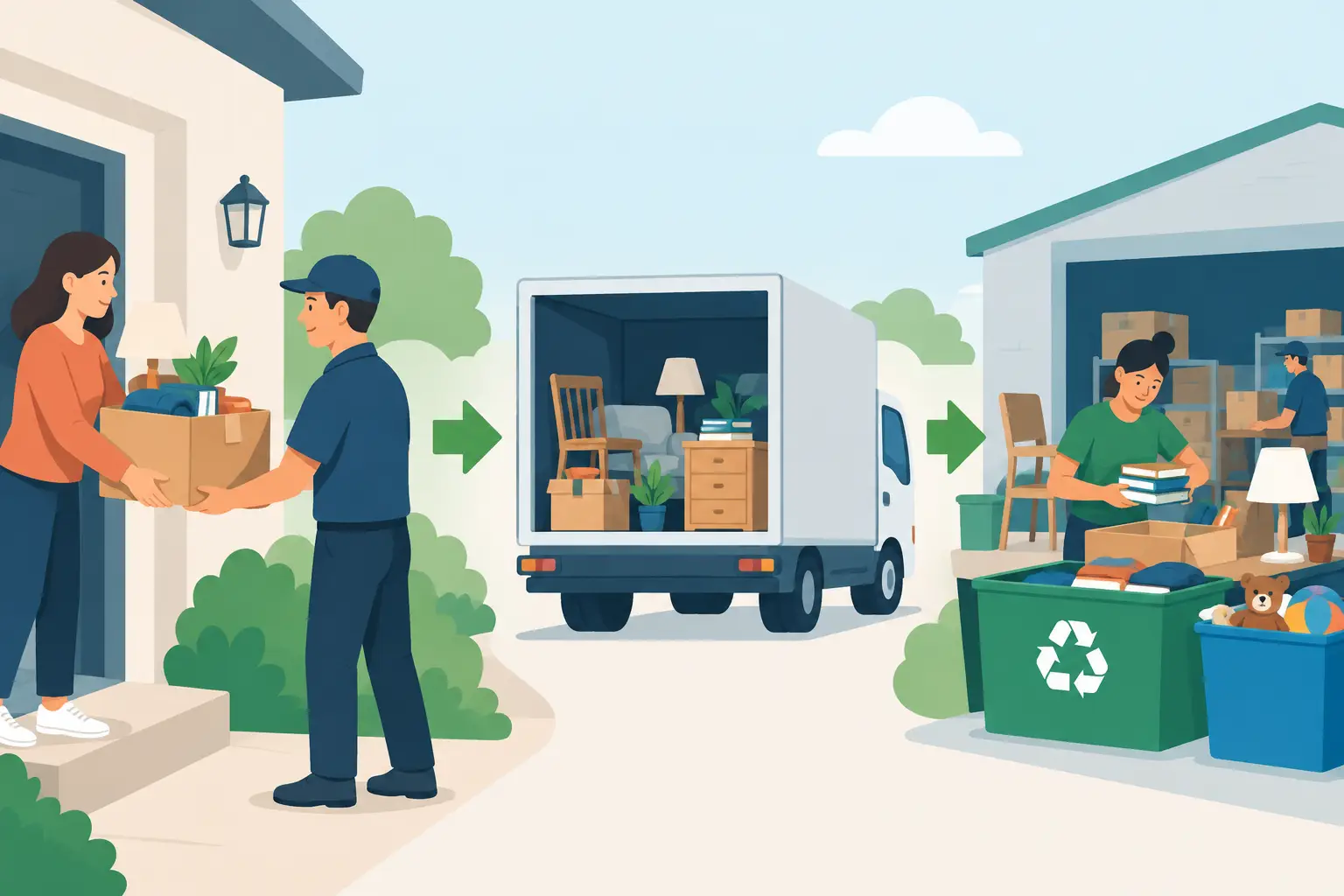
A couch that no longer fits your living room may still be exactly what another Jacksonville family needs. That is the practical answer to where do donated junk items go: first, they are evaluated for reuse. If they are clean, safe, and in working condition, they may be delivered to a local charity, thrift store, community organization, or reuse program instead of being sent straight to a landfill.
Donation is not a promise that every item can be saved. It is a process that depends on condition, safety rules, available storage, and what local organizations can accept that day. A responsible junk removal company separates what can be reused from what needs recycling or proper disposal.
Where Do Donated Junk Items Go?
Most donated items take one of several paths after pickup. The best path is direct reuse. A donation center or nonprofit receives the item, sorts it, and makes it available at a low cost or provides it directly to people who need it. Furniture, household goods, clothing, books, and usable kitchen items are common examples.
Some items are routed to thrift operations that use resale income to support community programs. Others may be accepted by organizations that furnish homes for families transitioning out of homelessness, domestic violence, or other difficult situations. The destination varies based on the item and what Jacksonville-area organizations are currently able to take.
Not every donation destination works the same way. A large thrift store may have room for a clean dining table but decline a bulky entertainment center. A smaller nonprofit may want linens, dishes, or office supplies but have no space for mattresses or large appliances. That is why a donation-first approach requires judgment, not just good intentions.
The First Step Is a Condition Check
Before an item is donated, it needs to be worth passing along. Donation centers cannot use damaged, unsafe, heavily stained, or pest-affected items. Sending unusable items to a charity creates extra labor and disposal costs for an organization that is already trying to serve the community.
A quick condition check usually looks at whether an item is clean, complete, functional, and safe to handle. A dresser with working drawers and minor cosmetic wear may be a strong donation candidate. The same dresser with water damage, missing drawers, or mold is more likely to require disposal.
For electronics and appliances, working condition matters even more. A tested microwave, refrigerator, washer, or television may have reuse value if it meets current safety requirements. Older units that do not work, have recalled components, or contain damaged cords typically need an appropriate recycling or disposal route instead.
Items Often Accepted for Donation
Clean, usable household items are generally the best candidates. This can include furniture without major damage, gently used clothing, kitchenware, lamps, tools, toys, books, home decor, and office furniture. Usable small appliances may also qualify when they are clean and operational.
However, acceptance rules change. A charity may pause furniture donations when its storage area is full. Seasonal demand can also affect what is accepted. Calling ahead is useful when you are making a small donation yourself, but during a full cleanout, a professional crew can sort items and identify the most responsible route available.
Items That Commonly Cannot Be Donated
Mattresses, box springs, heavily worn upholstered furniture, damaged particleboard furniture, broken electronics, paint, chemicals, and items with mold or pest damage are often declined. Some locations may accept certain mattresses, electronics, or building materials, but it depends on local policies and the item’s condition.
This is not wastefulness. Health regulations, safety standards, and handling costs limit what nonprofits can accept. A donation-first service should be honest about those limits instead of labeling every pickup as a donation.
Reuse Is Only One Part of Responsible Removal
When an item cannot be donated, recycling may be the next best option. Metal bed frames, appliances, wiring, exercise equipment, and certain electronics contain materials that can be recovered instead of buried. Cardboard, paper, clean wood, and some plastics may also be separated when a local recycling facility accepts them.
Recycling has limits, too. A mixed pile of wet, broken, or contaminated material may not be recyclable. Some items must be dismantled before their metal, plastic, or electronic components can be processed. This takes time and labor, but it can keep useful materials in circulation.
Items with hazardous components need special handling. Paint, batteries, chemicals, propane tanks, fluorescent bulbs, and certain electronics should never be casually tossed into a regular junk load. These materials can pose risks to workers, equipment, and the environment. They need to be handled through the appropriate local collection or disposal channel.
The final option is disposal. Landfill disposal is sometimes necessary, especially for ruined furniture, contaminated materials, construction debris, and items that have reached the end of their useful life. Responsible disposal is not the failure of donation. It is the right solution when reuse and recycling are no longer safe or practical.
Why Donation Does Not Always Mean a Tax Receipt
Many people assume that donating an item automatically creates a tax deduction. That depends on where the item is accepted and whether the receiving organization provides documentation. A junk removal company can transport donation-worthy items, but it may not be the charitable organization issuing a receipt.
If a receipt matters to you, ask before pickup. You may need to provide an itemized list, estimate the value of your goods, or receive documentation directly from the donation center. Keep in mind that tax rules and charity policies can differ, particularly for high-value items.
The bigger benefit for many customers is simpler: usable items have another chance to serve someone else. During a move, estate cleanout, renovation, or tenant turnover, that can make a difficult project feel more responsible without creating extra work for you.
What You Can Do Before a Junk Pickup
You do not need to turn your garage into a donation warehouse before a removal crew arrives. A little preparation can help protect your personal information and make sorting faster. Remove documents, photos, medications, cash, and personal belongings from desks, filing cabinets, bags, and furniture drawers.
If you know an item works, mention it. If a table has a loose leg or an appliance has a known issue, say so. Clear information helps the crew determine whether the item may be donated, recycled, or disposed of safely.
It also helps to keep clearly usable items separate from obvious trash when possible. Put donation-ready goods in one area and broken, wet, or hazardous items in another. This is not required, but it can make the pickup more efficient and reduce the chance that a good item gets mixed into a disposal load.
A Practical Approach for Jacksonville Cleanouts
For a single chair or a few boxes, dropping items off yourself may be the simplest choice. For an entire garage, rental turnover, estate cleanout, or office clear-out, sorting and transporting everything can quickly become a full-day job. That is where professional removal makes sense.
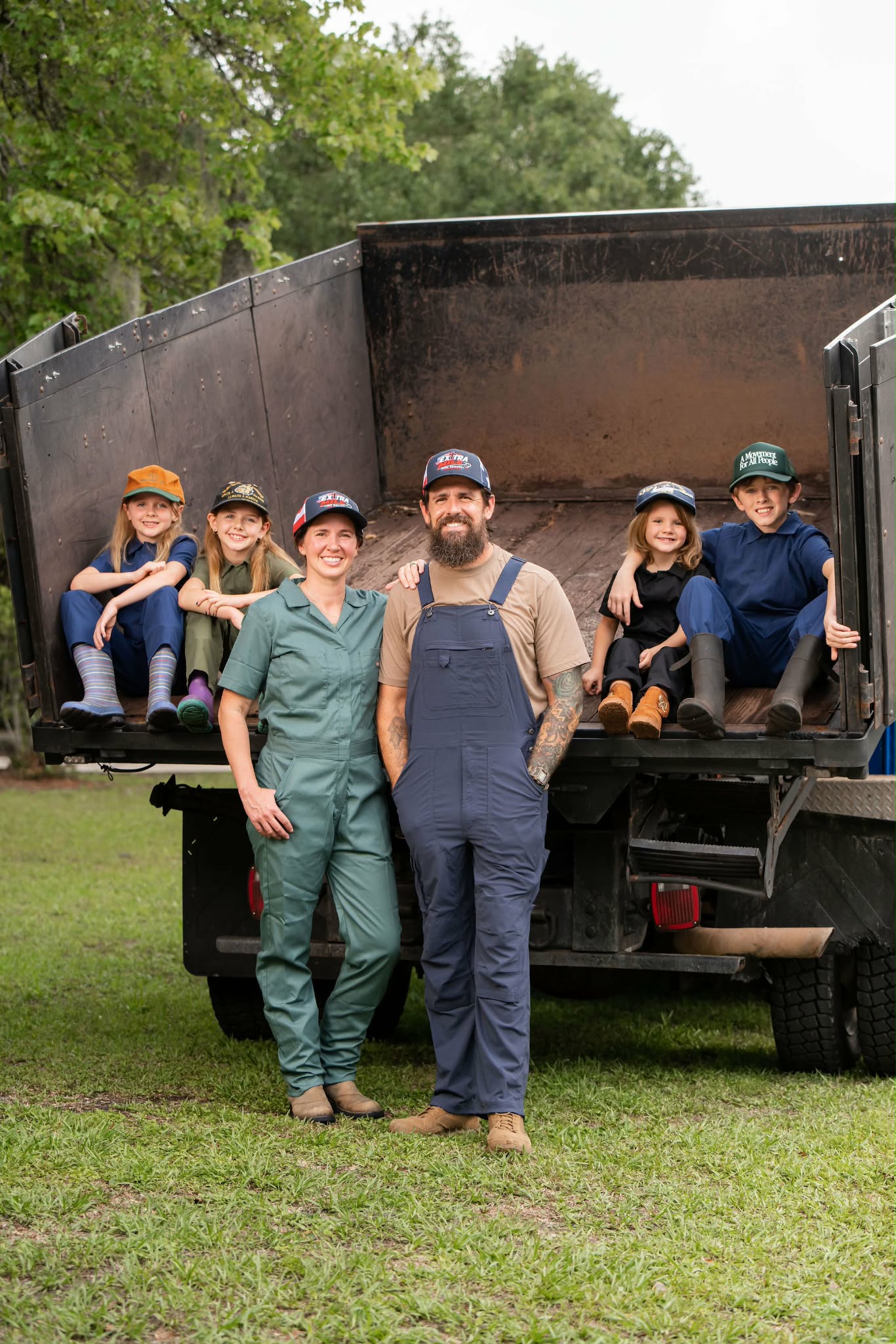
Extra Mile Junk Removal takes a donation-first approach whenever items are suitable and local acceptance is available. The goal is straightforward: remove the clutter quickly, provide honest pricing, and keep usable belongings in use whenever possible. Same-day service can be especially helpful when a closing date, inspection, move-out deadline, or new tenant is waiting.
The best outcome is not pretending every item can be donated. It is making sure each item gets the most responsible next step available. Before you schedule pickup, set aside what is clearly usable, point out anything with special handling needs, and let a professional crew do the heavy lifting.